
In Development
Film — Written by Alejandro Scott
Drift Ashore
вероятно, никога повече
Read the Pitch Deck
Film — Written by Alejandro Scott
вероятно, никога повече
Read the Pitch DeckLogline
Trapped now in his childhood home, where reality shifts around her, she discovers that to break free, she'll first have to fight the woman that wanders in its walls, a version of herself she did not know existed.
The Teaser
Waves against the rocks. And as we watch their hypnotic dance, two voices rising out of that same dark water, muffled at first, the way the water itself sounds. They sharpen slowly, clearer, louder, angrier, until we're inside the fight without ever having chosen to be. Yasen, warm mannered, a man who has already surrendered more than once in his life. Iskra, younger, carrying the strength of someone who grew up faster than she should have. Husband and wife. Every accusation lands somewhere old, somewhere vulnerable: his mother, the years they spent failing each other quietly before failing each other loudly. We can tell, the fight will not end well.
Before the last word lands, we cut back in time to a quieter version of them. Their own house, the morning they get ready to bury his mother. She helps him with his tie. He holds her a little longer than the moment requires. Small kindnesses, simple demonstrations; the kind two people only still offer each other when there's still something worth protecting.
We follow them forward from there, tender in a way that makes what's coming feel unbearable, until it arrives, again, at the fight we already heard. This time, we see all of it. And we have to witness its consequences.
The World
What starts as the setting for a funeral becomes something else: a place where Iskra can no longer be sure a memory is actually hers, whether something already happened, or whether the version of herself standing in front of her is the one telling the truth.
Nothing here announces itself as supernatural directly. The wrongness moves quietly, a thing moved, an hour gone, a version of her already living a life she doesn't have. The horror isn't an intrusion from outside. It's the ground underneath her no longer agreeing with what she knows to be true.
A small handful of people actually live on this island year round, old friends of the mother who knew her long before Iskra ever did. Their presence keeps the place from feeling abandoned or remote in the way a horror setting usually does. It looks lived in, familiar, safe even, which is exactly what makes it worse when it stops being any of those things.
The Characters
Carries the particular strength of someone who had to grow up before she was ready. She left college for Yasen after getting pregnant with his child, a child that did not live to see his third year of life. Yasen is the only serious relationship she's ever had, and has spent years mothering him, and at the end, his dying mother, while getting almost nothing back. They buried their own child years ago, a loss neither of them has found a way to speak about since. When something takes over him and unleashes his darkest resentments, he explodes in words he cannot take back. Iskra goes silent but beneath that silence is a want she's never said out loud: to leave, to find out who she is outside of him, and a fear that she no longer can.
Wears the exhaustion of a man who has already surrendered more than once, to his music, to his mother, and now maybe to this marriage. He wrote one song that mattered, once, back when writing still felt like something other than proof he was running out of time. It's still the only thing strangers know him for, and every time someone recognizes him for it, it lands less like a compliment and more like a verdict, this is as far as you got. He hasn't set foot in this house since his mother died, and he still hasn't found a way to talk about the child they lost before that. Something in him gives way that one night, and he becomes a man neither of them recognizes. By the time Iskra finally finds the words to tell him she wants to leave, he can't see her at all.
Together they are two people no longer living in the same reality. Only one of them knows it.
The Tone
Long stretches of silence do more work than dialogue, and for most of the runtime there is barely any, one devastating exception aside. Grief and shame are not feelings characters describe here. They are physical presences: a photograph that moves on its own, a shed at night with someone watching from the treeline, a boat that goes nowhere, a version of a woman standing in a lit window with someone else's husband.
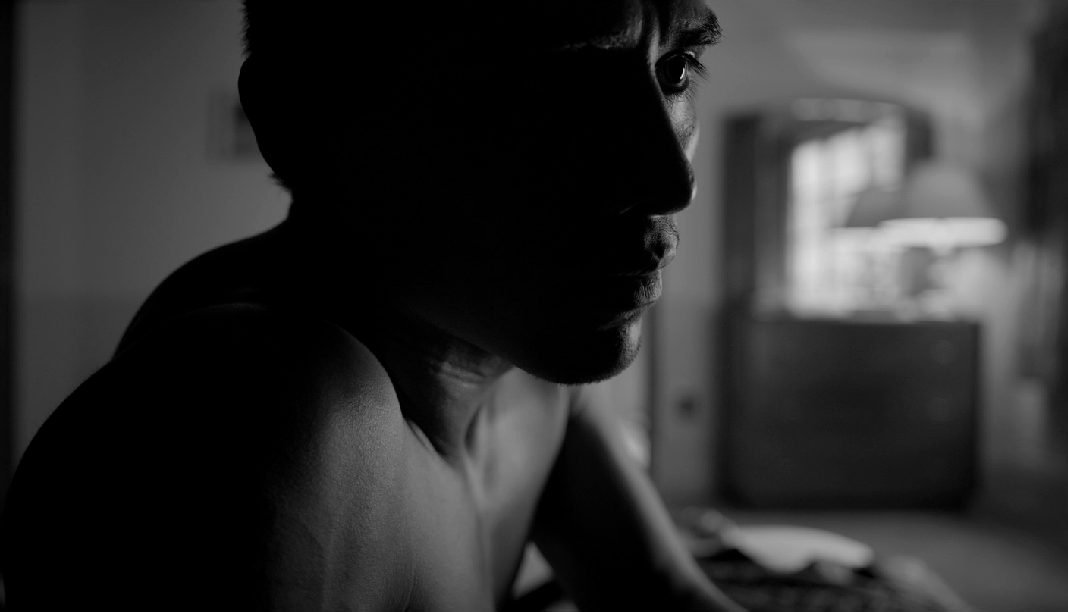
Visually, the film trusts stillness. A held shot, a slow zoom into an eye, a fade so gradual it feels like the frame itself is reluctant to wake up. Water is the film's other language, its threat, its stillness, its only real way out.
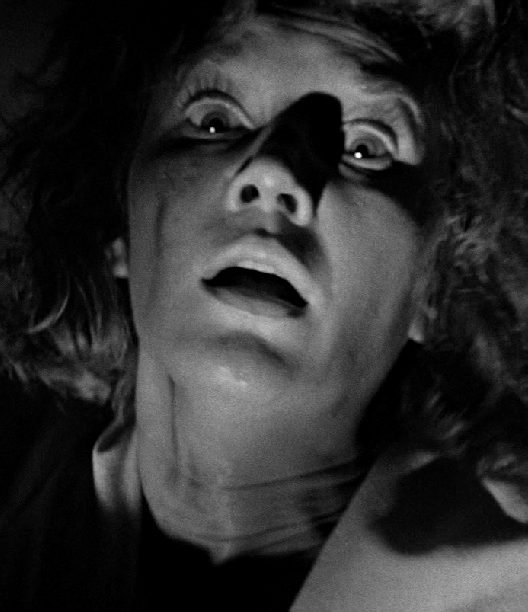
Tonally, this lives close to The Witch in its isolation and slow-building dread, Persona in its bleeding of identity between two women, and Perfect Blue in its refusal to ever fully confirm what's real. Malcolm & Marie lends its two-person intensity to the one scene where everything is finally said aloud.
Why This Film
I have lived close to it, in my own relationships and in the ones around me growing up: the version of yourself built to hold everyone else together, to stay quiet rather than fight, until it stops feeling like a role and starts feeling like the only self you have left.
This film is about what that does to memory. About how, in a relationship like this, you stop trusting what you remember happening, because you've been told a different version of it so many times. About how the mind pulls you back toward the good version of someone right when you've finally found the will to leave. About the shame of having stayed as long as you did, and what that shame starts to look like if you give it a body and a face.
I have not been back to my home country in over fifteen years. In that kind of distance, you find yourself leaning on one person the way you'd lean on a small island, somewhere fixed, somewhere you can stand. I have done that with my partner more than once, trusted them to be that steady ground. And I know what it feels like when something goes wrong and that same ground no longer holds, when the whole world seems to turn against you at once, and even the house you inhabit, the walls you called home, seem to shrink all around you.
I am telling this story because I need to. I want to say something true about what happens when the self you build to survive becomes impossible to tell apart from who you actually are, and about the specific, quiet horror of loving someone who cannot, or will not, see you anymore.
Moodboard
 Persona
 The Lighthouse
 Roma
 The Haunting
 Hard Liquor
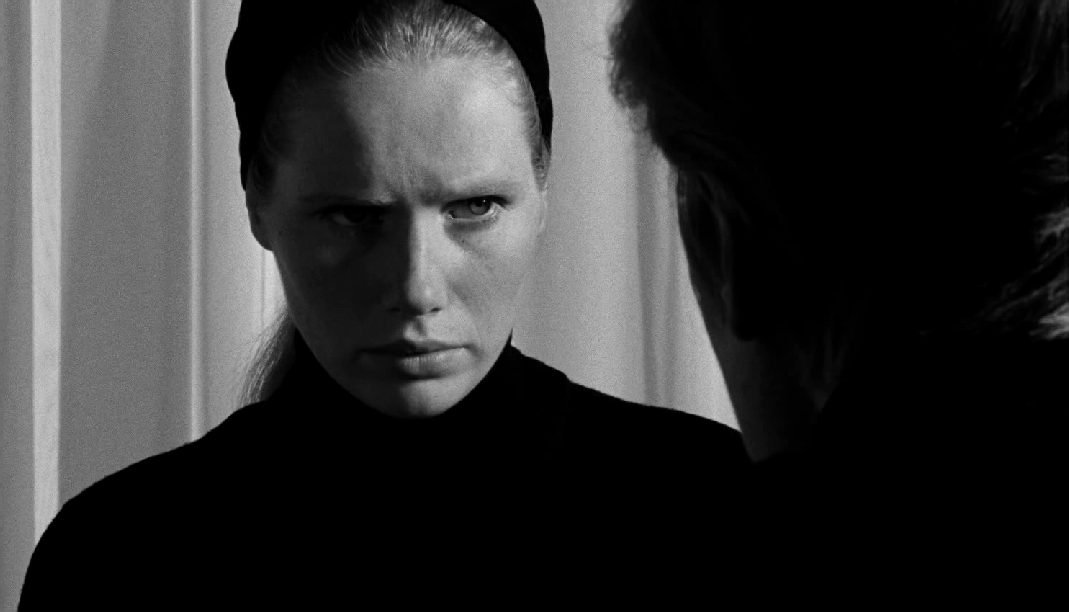 Persona
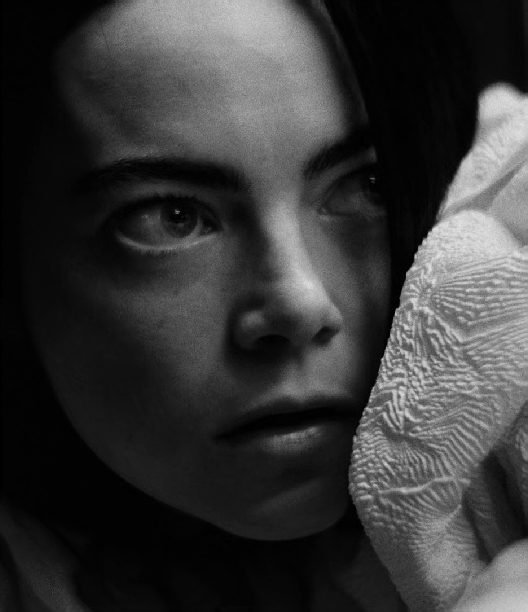 Poor Things
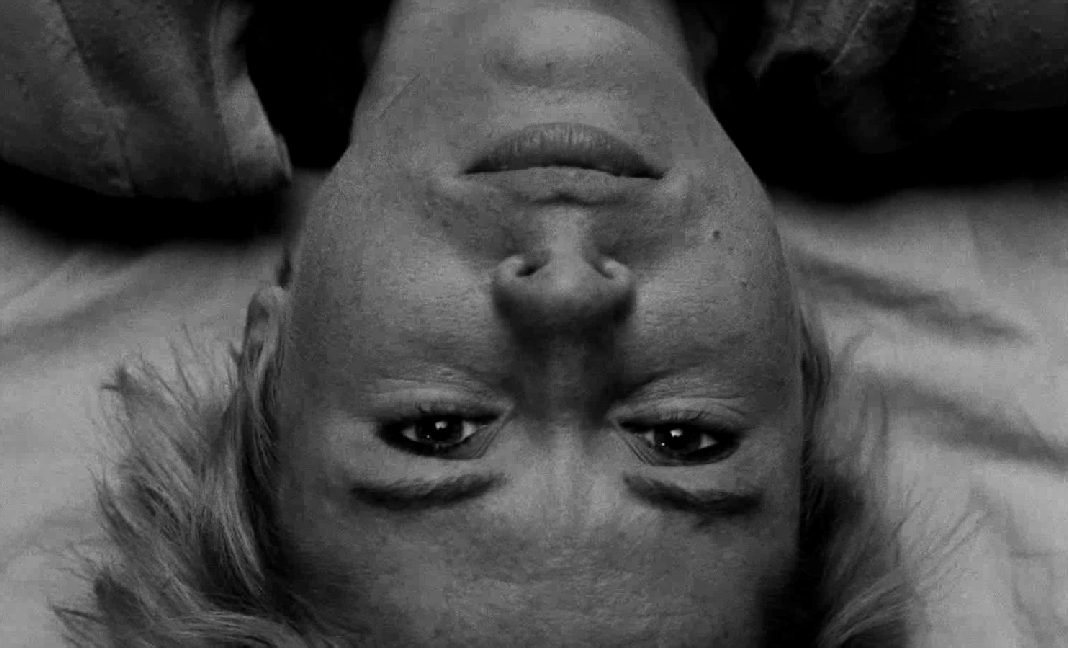 Persona
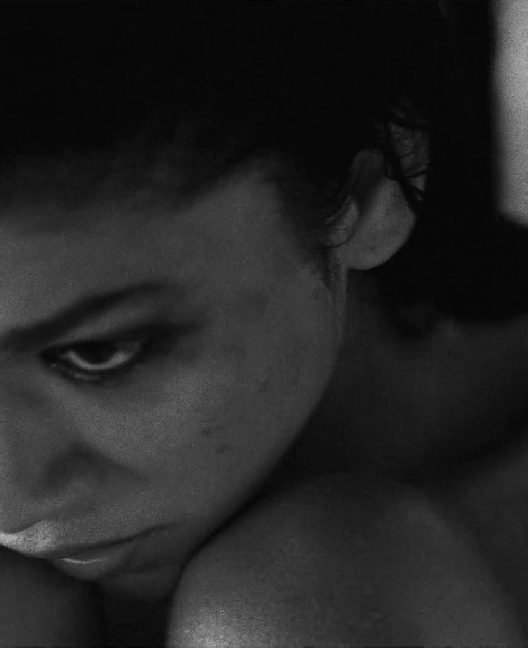 Malcolm & Marie
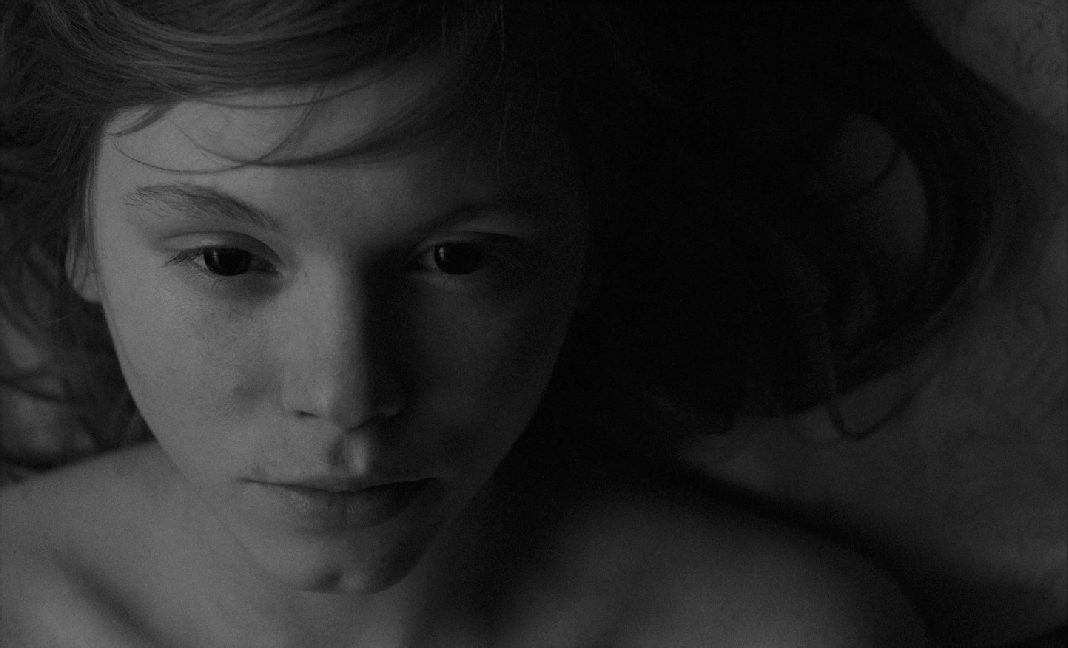 Ida
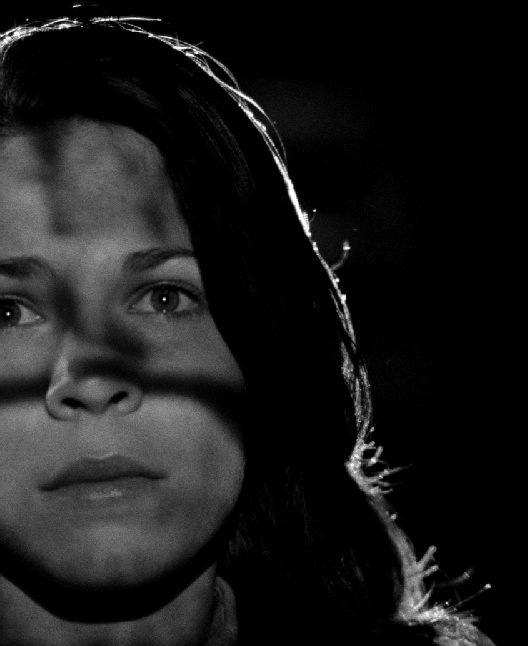 The Addiction
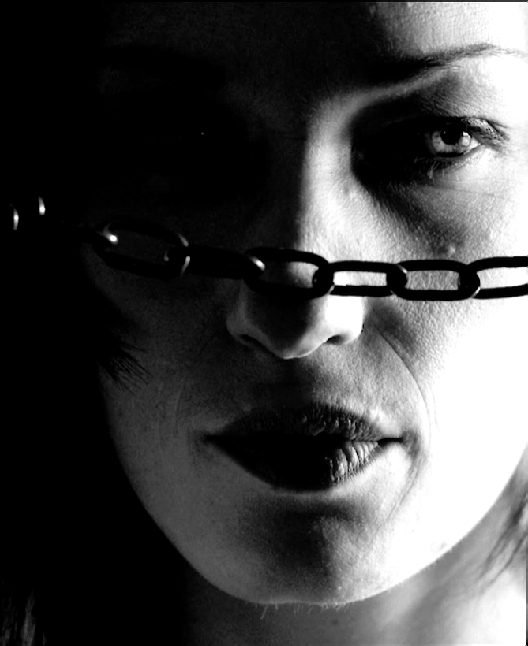 Strange Color
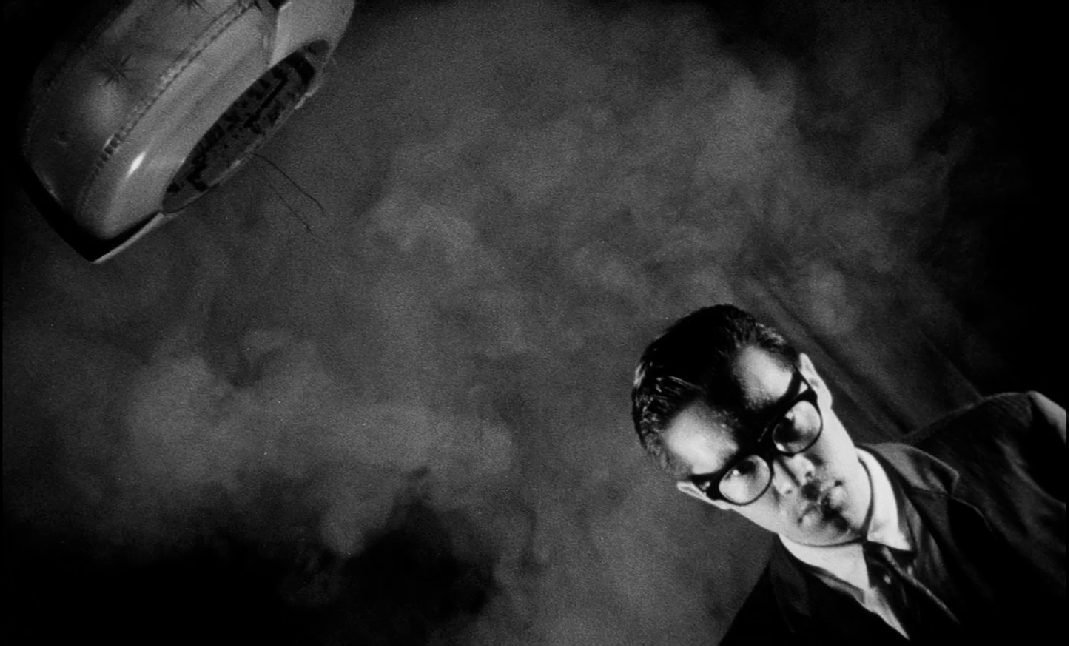 Tetsuo
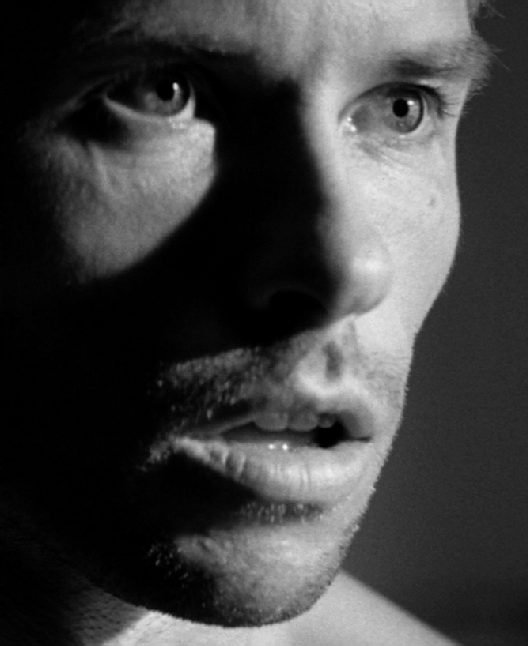 Memento